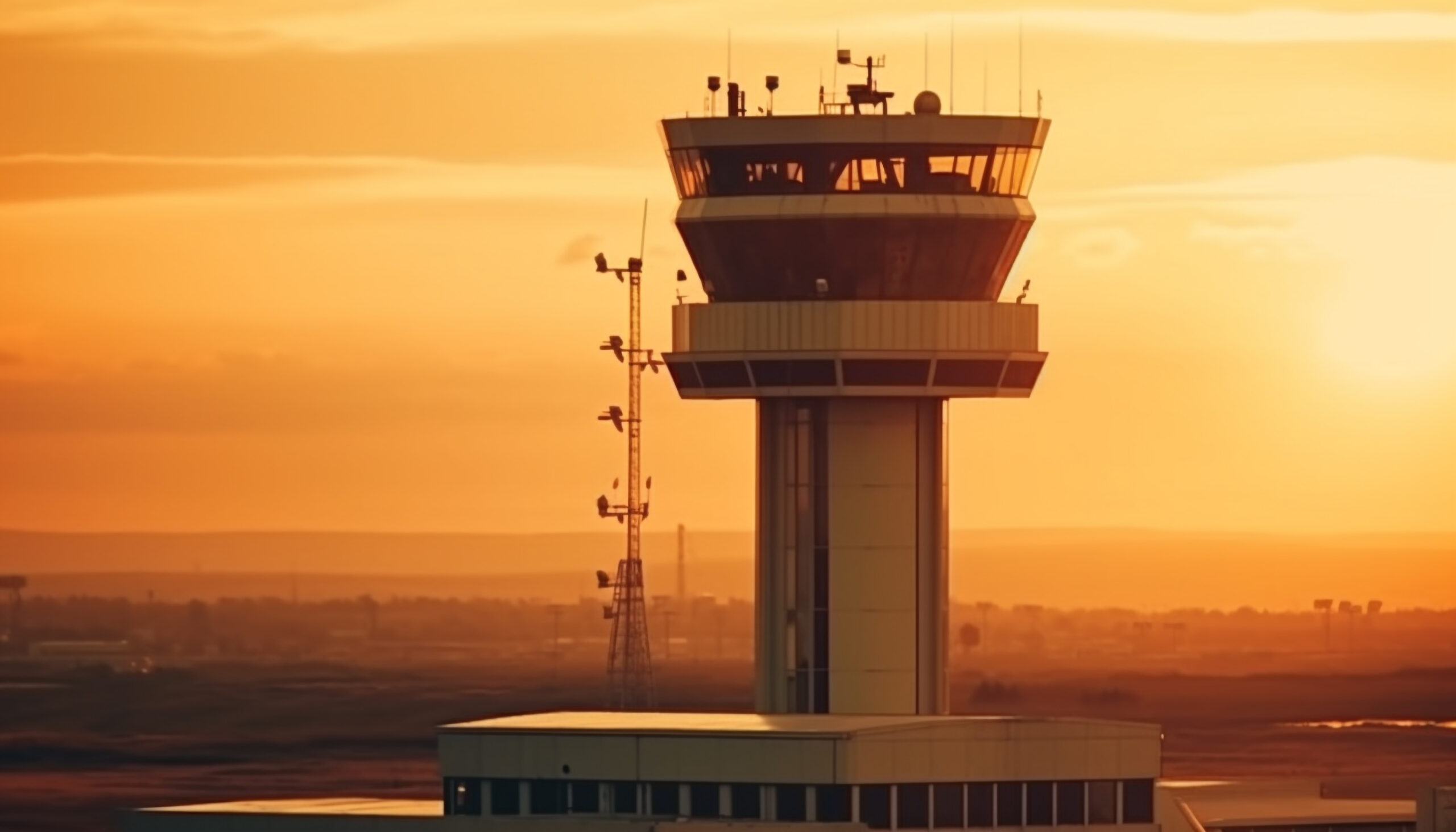
The Radio Telephony (RT) Course is designed to develop clear, accurate, and confident radio communication skills for pilots and aviation professionals. Effective radio communication is a critical component of flight safety, ensuring proper coordination between pilots, air traffic controllers (ATC), and other aviation personnel throughout all phases of flight.
This course provides a structured understanding of standard aviation communication procedures and internationally accepted phraseology. Students learn how to operate radio communication equipment correctly, apply proper voice techniques, and respond effectively to both routine and non-routine situations. Emphasis is placed on clarity, brevity, and accuracy to minimize misunderstandings and enhance operational efficiency.
Course Content
Aviation radio procedures and standard phraseology Communication equipment operation and best practices Proper voice techniques and transmission discipline Radio callsigns, identifiers, and frequency management ATC communications in controlled and uncontrolled airspace Emergency and distress communications Handling non-routine and unexpected situations Practical exercises and scenario-based training
Realistic Scenario-Based Training
Throughout the course, participants are exposed to realistic scenarios that simulate real-world aviation environments. These scenarios help build confidence in handling ATC instructions, managing workload, and communicating effectively during abnormal or emergency situations.
Why Radio Communication Training Matters
By completing the Radio Telephony Course, pilots and aviation professionals will significantly improve their communication proficiency and situational awareness. This training ensures participants can communicate professionally, efficiently, and safely over radio frequencies — contributing to safer flight operations and overall aviation safety.
Specialized training to prepare you for airline and aviation company pilot interviews. Bridge the gap between flight training and professional employment with confidence.
FAA Part 107 Remote Pilot Certification for commercial drone operations. Required to legally fly drones for business in the United States. No prior aviation experience needed.
The Airline Transport Pilot License is the highest pilot certification. Required to serve as Captain of an airline — the ultimate goal for any professional aviation career.