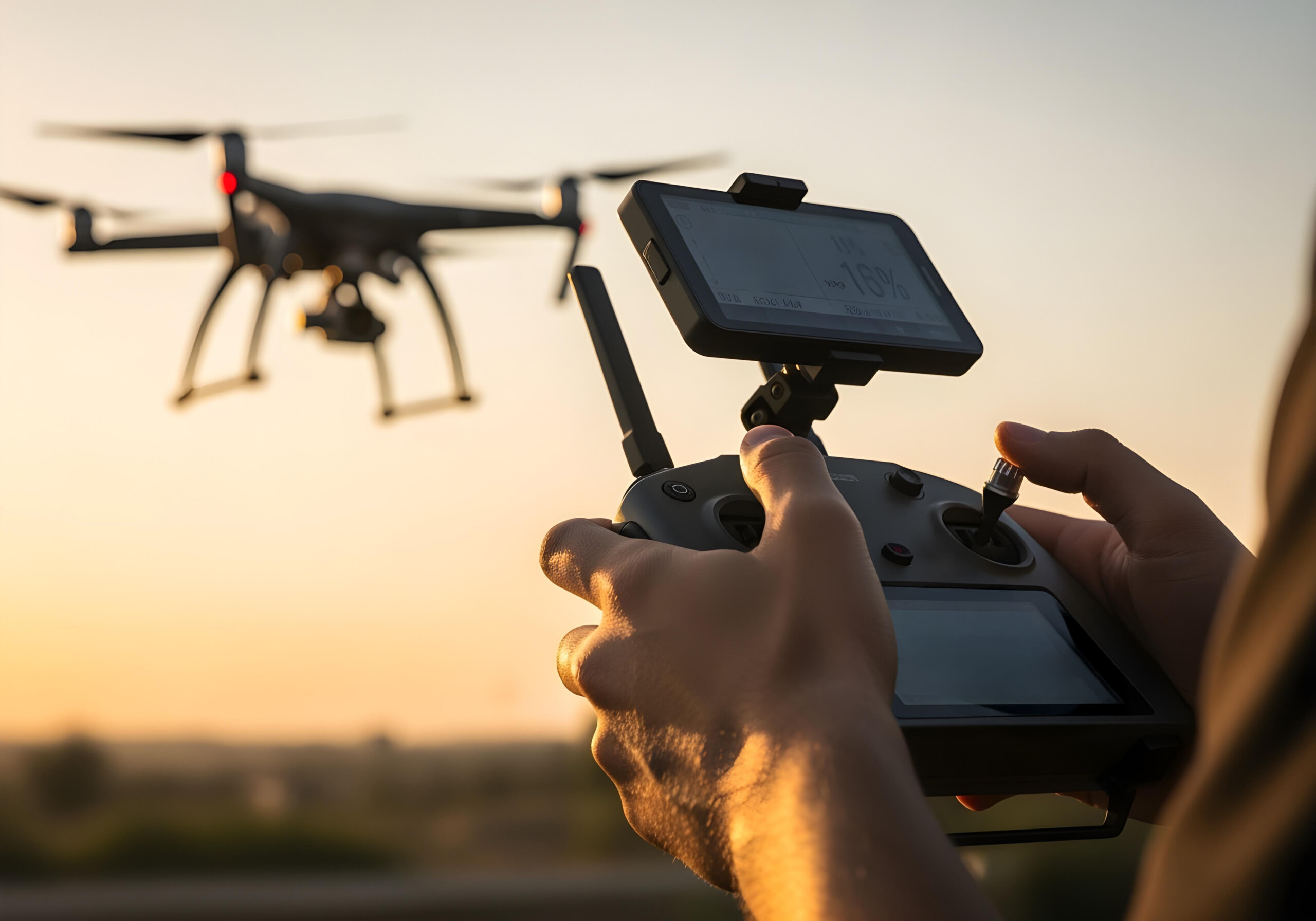
The Federal Aviation Administration (FAA) offers comprehensive training and certification programs for individuals interested in operating Unmanned Aircraft Systems (UAS) — more commonly known as drones — both for recreational enjoyment and professional applications.
The Remote Pilot Certification, issued under Part 107 of the FAA regulations, serves as the standard for individuals who wish to legally operate drones for commercial purposes in the United States. This certification demonstrates a pilot’s understanding of airspace rules, safety regulations, and operational best practices.
Main Components of FAA Drone Training
-Part 107 Remote Pilot Certification: Core requirement to fly drones commercially in U.S. airspace.
-Knowledge Test Preparation: Covers subjects like weather, airspace classifications, flight restrictions, and emergency procedures.
-Flight Training and Experience: Practical exercises that develop navigation, control, and safety decision-making skills.
-Recreational Drone Training: Focused on hobbyists, emphasizing safe and responsible drone use within legal limits.
-Continuing Education: Encourages certified pilots to stay updated on new FAA regulations, airspace technologies, and operational standards.
-Specialized Training Programs: Tailored courses for aerial photography, surveying, mapping, and inspection operations.
The FAA’s drone training ecosystem provides aspiring pilots with the knowledge, skills, and credentials necessary to operate unmanned aircraft safely, efficiently, and in full compliance with federal aviation laws. Earning this certification opens the door to a rapidly growing sector that blends technology, innovation, and aviation expertise.
[…] Remote Pilot Certification (RP) […]