

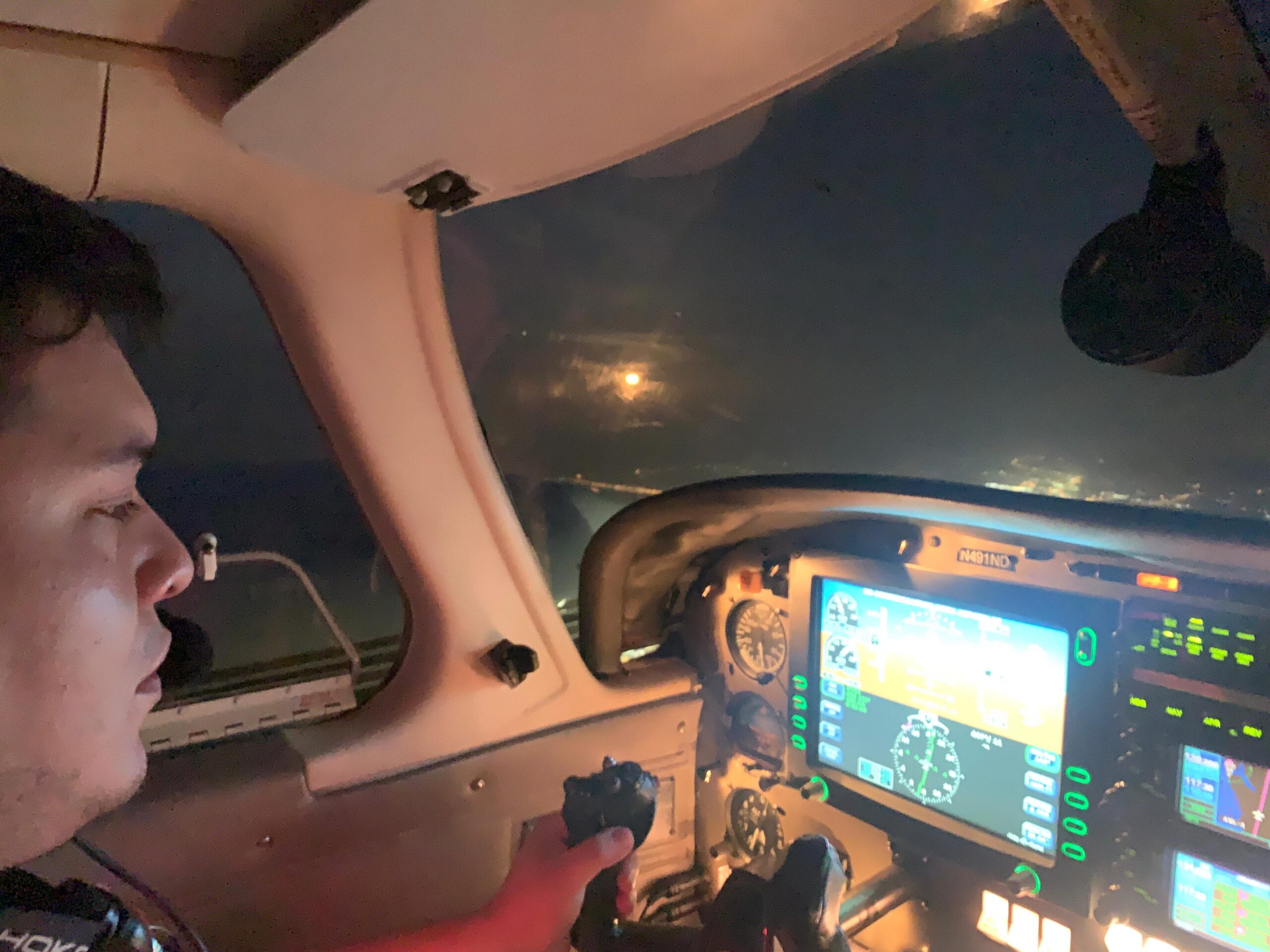
Airline Transport Pilot License (ATP)
The Airline Transport Pilot License (ATP) is the highest level of pilot certification issued by the Federal Aviation Administration (FAA) in the United States. It represents the pinnacle of professional aviation training and qualification. Holding an ATP certificate allows a pilot to act as Pilot in Command (PIC) of an aircraft carrying passengers or cargo for commercial airline operations.
This certification is a mandatory requirement for those aspiring to become airline captains, charter commanders, or to hold senior aviation roles involving complex aircraft and advanced operational responsibilities. The ATP embodies excellence, experience, and the mastery of flight, setting the standard for professional pilots worldwide.
Purpose and Scope
The ATP certificate authorizes pilots to operate scheduled air carrier flights, perform high-performance multi-crew operations, and command aircraft in complex and demanding environments. Beyond being a qualification, it reflects a pilot’s commitment to safety, precision, and leadership — qualities essential to the aviation industry.
With this certification, pilots demonstrate not only exceptional technical skills but also advanced judgment, communication, and decision-making abilities, essential for managing large aircraft under varying operational conditions.
FAA Requirements and Eligibility
To obtain an Airline Transport Pilot License, candidates must satisfy rigorous FAA requirements designed to ensure a high level of experience and professionalism. These typically include:
-Flight Experience:
A minimum of 1,500 total flight hours, including 500 hours of cross-country, 100 hours of night flying, and 75 hours of instrument time.
-Pilot Certificates:
Must hold at least a Commercial Pilot License (CPL) with an Instrument Rating (IR).
-Training:
Completion of an FAA-approved ATP Certification Training Program (ATP-CTP), which includes advanced simulator sessions and ground instruction in high-altitude operations, aerodynamics, and crew resource management.
-Multi-Engine Rating:
Required for most airline operations, enabling pilots to command multi-engine, turbine-powered aircraft.
-Knowledge Test:
A comprehensive written exam evaluating advanced knowledge of flight operations, weather systems, regulations, and aeronautical decision-making.
-Checkride:
A practical examination (oral and flight) with an FAA examiner assessing proficiency, professionalism, and command capabilities in complex aircraft.
Privileges and Opportunities
Holders of the Airline Transport Pilot License are authorized to:
-Serve as Pilot in Command (Captain) or co-pilot (First Officer) for scheduled airline services
-Operate large, multi-engine aircraft in domestic or international commercial operations
-Pursue leadership roles such as chief pilot, training captain, or airline examiner
-Work in corporate aviation, cargo operations, or government transport sectors
The ATP opens doors to global aviation careers, providing pilots with the credentials and credibility to operate at the highest professional standards.
Advanced Training Focus
ATP training emphasizes advanced operational proficiency, multi-crew coordination, and command decision-making. It prepares pilots to manage high-performance aircraft systems, interpret complex flight data, and maintain safety under pressure. Key areas include:
-Crew Resource Management (CRM)
-High-altitude and high-speed flight operations
-Jet engine systems and turbine performance
-Fatigue management and human factors
-Emergency and abnormal procedures
These elements ensure ATP-certified pilots can safely and effectively command aircraft in both normal and challenging flight environments.
A Symbol of Aviation Mastery
Earning an Airline Transport Pilot License (ATP) is a defining achievement in a pilot’s career. It demonstrates a combination of experience, expertise, and leadership, distinguishing those who have reached the peak of aviation professionalism.
With the ATP, pilots not only achieve full command authority but also embody the principles of discipline, precision, and responsibility that define the world’s most respected aviators. For those with ambitions to lead from the cockpit of commercial airliners, the ATP is the ultimate goal — the license that opens the skies to the highest level of aviation excellence.
[…] Airline Pilot License (ATP) […]