

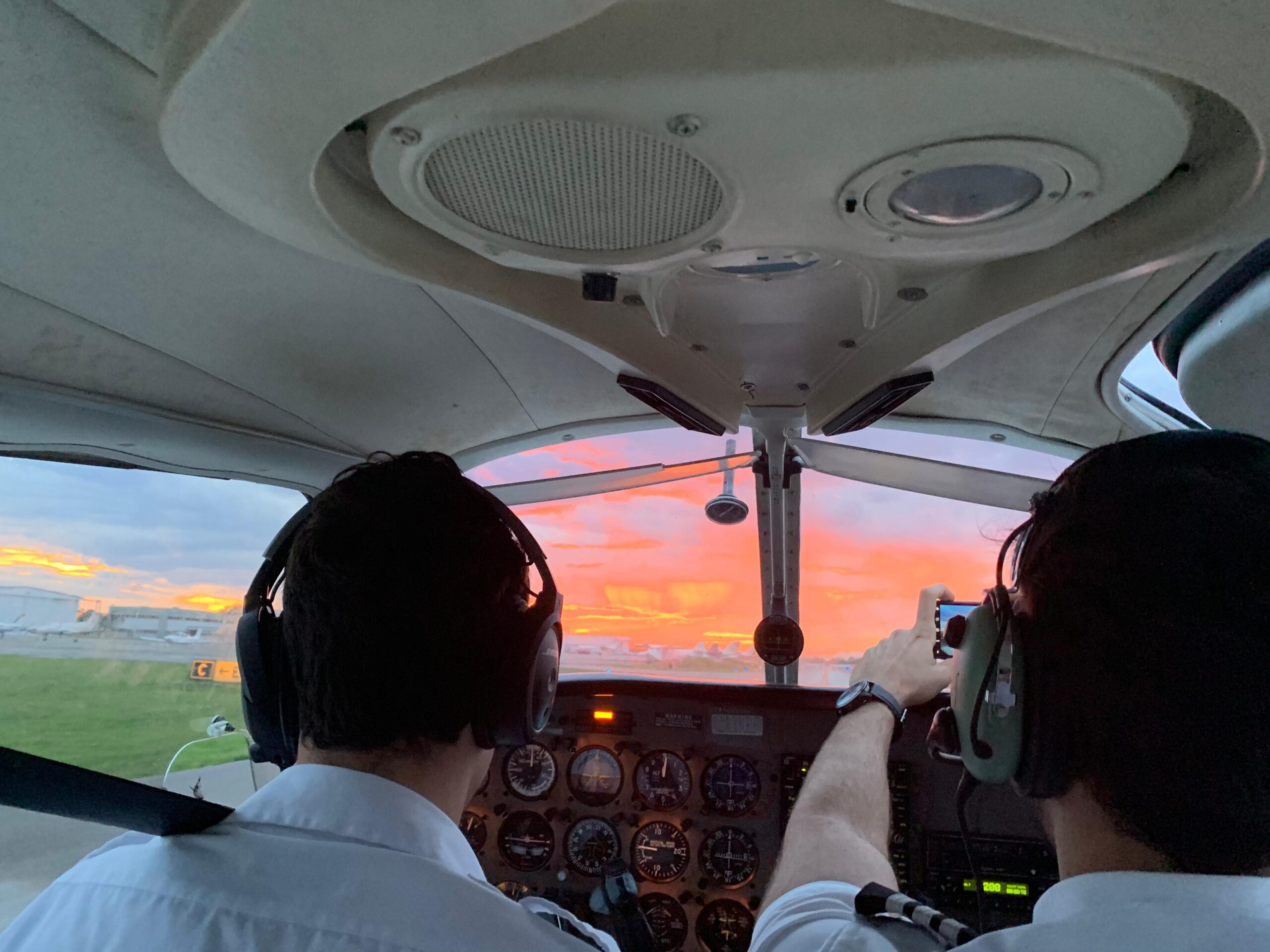
Certified Flight Instructor (CFI)
The FAA Certified Flight Instructor (CFI) certificate is a professional qualification that authorizes pilots to provide flight instruction, mentor student pilots, and teach the skills required to safely operate an aircraft. Becoming a CFI is often described as an opportunity that allows pilots to “share their passion for aviation,” while also serving as one of the most common pathways to build flight time and advance toward a professional flying career.
Flight instructors play a crucial role in shaping future aviators by teaching both aeronautical knowledge and practical flying skills. For many pilots, earning the CFI certificate is a major milestone toward becoming a commercial or airline pilot.
Requirements to Obtain a Flight Instructor Certificate (FAA)
The requirements for the CFI certificate are outlined under federal regulations and include:
- Eligibility
Applicants must:
-Be at least 18 years old.
-Hold a Commercial Pilot Certificate or ATP Certificate.
-Hold an Instrument Rating, if seeking an Airplane Single-Engine or Multi-Engine Instructor certificate.
-Be proficient in English (reading, writing, speaking, and understanding).
-Hold at least a Third-Class Medical Certificate (commonly applicants maintain a First or Second Class when pursuing professional careers).
- Experience Requirements
To be eligible for the CFI certificate, pilots must meet the following experience requirements:
-Log the flight time required for the commercial pilot certificate.
-Demonstrate proficiency in complex aircraft operations or aircraft with technically advanced systems (TAA), depending on the training aircraft.
-Have completed the required training for fundamentals of instruction (FOI) unless exempt (e.g., those already holding specific teaching certificates or degrees).
- Ground and Flight Training
Ground Training
Covers subjects such as:
-Fundamentals of Instruction (FOI): learning processes, teaching techniques, human behavior.
-Aerodynamics and aircraft performance.
-Regulations (Parts 61, 91, 141).
-Weather theory.
-Navigation, charts, and flight planning.
-Airspace and ATC procedures.
-Safety, risk management, and aeronautical decision-making.
Flight Training
Includes:
-Mastery of all private pilot, instrument, and commercial maneuvers to a higher proficiency.
-Demonstrating and teaching each maneuver from the instructor’s perspective.
-Emphasizing safety, emergency procedures, and controlled risk management.
-Practicing scenario-based training and student error recognition/correction.
CFI training is unique because the applicant must not only perform maneuvers to high standards, but must also teach, brief, and debrief them effectively.
- Knowledge Tests
There are two written exams required:
-FOI (Fundamentals of Instruction): Evaluates teaching methods, learning theory, human behavior, and effective instruction.
-FIA (Flight Instructor Airplane) or the appropriate instructor category test: Covers aerodynamics, systems, operations, performance, and regulations from an instructor’s perspective.
Applicants must receive instructor endorsements before taking these exams.
- Practical Test (Checkride)
The CFI checkride is known for being one of the most demanding FAA exams. It includes:
Oral Examination
Extensive questioning on:
-FOI concepts and teaching methods.
-Regulations applicable to flight instruction.
-Lesson planning and scenario-based teaching.
-Airspace, systems, weather, aerodynamics, and emergency procedures.
-Student evaluation principles and risk management.
Flight Test
The applicant must:
-Perform maneuvers to commercial pilot standards.
-Teach and demonstrate each maneuver as if instructing a real student.
-Perform emergency procedures and simulate student-induced errors.
-Exhibit strong command of aircraft control and instructional communication.
Upon successful completion, the FAA issues the Flight Instructor Certificate.
Privileges of the CFI Certificate
A Certified Flight Instructor may:
-Provide flight training for Private, Commercial, and Instrument students (depending on instructor ratings held).
-Endorse students for solo flights, practical tests, and knowledge tests.
-Conduct flight reviews and proficiency training.
-Work at flight schools, universities, colleges, or as an independent instructor.
-Build valuable flight experience toward airline or corporate aviation career goals.
Importance of the CFI Certificate
Flight instruction is one of the most influential roles in aviation. CFIs:
-Develop the next generation of pilots.
-Reinforce and deepen their own aeronautical knowledge.
-Build flight time efficiently while being paid.
-Gain advanced communication, leadership, and safety-management skills.
For many professional pilots, becoming a CFI is a key step toward achieving the flight experience required for airline or commercial operations.
[…] Certified Flight Instructor (CFI) […]